Introduction
When it comes to creating an inviting and aesthetically pleasing outdoor space, landscape lighting plays an integral role. It not only enhances the beauty of your garden, patio, or yard but can also significantly influence the mood and atmosphere. The strategic use of color in landscape lighting is a powerful tool that can evoke emotions, highlight architectural features, and transform any outdoor area into a magical retreat. In this article, we will explore how to effectively use color in landscape lighting to set the mood for various occasions.
Using Color in Landscape Lighting to Set the Mood
Color has a profound effect on our emotions. Think about it: a warm, golden light can create a sense of coziness and comfort, while cooler tones might instill tranquility or even drama. When you incorporate color into your outdoor lighting design, you're not just illuminating your space; you're crafting an experience.
Understanding Color Theory in Lighting
Before diving into specific applications of color in landscape lighting, it's essential to understand some basics of color theory.
The Color Wheel
The color wheel is a circular diagram that categorizes colors based on their relationships with each other. The primary colors—red, blue, and yellow—combine to create secondary colors such as green (blue + yellow), orange (red + yellow), and purple (red + blue).
Warm Colors vs. Cool Colors
- Warm Colors: Reds, oranges, yellows—these colors tend to evoke feelings of warmth and energy. Cool Colors: Blues, greens, purples—these hues create calmness and serenity.
Choosing the Right Colors for Your Landscape Lights
Selecting the appropriate colors for your landscape lights can depend on several factors including the purpose of the space, existing decor styles, and personal preferences.
1. Defining Purpose
What’s the vibe you want to create? Consider if you are hosting a lively gathering or seeking a tranquil evening alone under the stars.
2. Considering Existing Elements
Take stock of existing features like flowers or architectural elements that can be highlighted using complementary colors. For instance:
- Bright flowers may pop against cool blue lights. Earthy tones may harmonize well with warmer hues.
Highlighting Architectural Features with Color
Using color strategically can make your home’s architecture stand out even more at night.
Highlighting Textures with Warm Lights
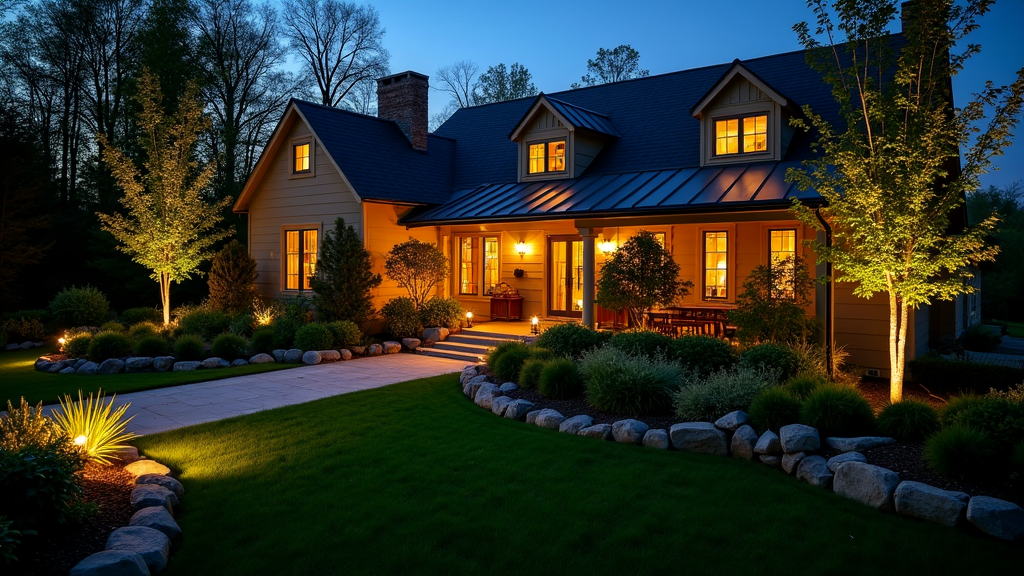
Soft amber lights can enhance textures like wood siding or stonework by casting gentle shadows that add depth.
Creating Contrast with Cool Lights
If you have dark brick or stone exteriors, using bright white or blue lights will help define shapes and lines without washing them out.
Mood Setting with Different Colors
Different colors elicit different moods. Here’s how you can set various moods using strategic color choices in your outdoor lighting:
Creating Romance with Soft Ambers
Soft amber lights are perfect for romantic dinners al fresco or intimate gatherings. They create warmth and intimacy without harshness.
Invoking Tranquility with Blues and Greens
For spaces like meditation gardens or quiet nooks, softer blues and greens promote relaxation and peace—a perfect choice for winding down at night after a long day.
Seasonal Considerations: Changing Colors Throughout the Year
Colors in landscape lighting don’t have to remain static throughout the year—consider changing them seasonally!
Spring Blooms: Pastel Hues
As flowers bloom in springtime gardens, soft pastels like pinks and lavenders work beautifully during this vibrant season.
Summer Nights: Vibrant Tones
In summer evenings filled with activity https://www.ramirezlandl.com/about and gatherings, brighter yellows and oranges can reflect energy and joy.

Autumnal Ambiance: Rich Golds
As leaves turn golden brown during fall evenings, rich golds paired with earthy tones enhance those seasonal vibes perfectly.
Innovative Techniques for Using Color in Outdoor Lighting Design
There’s more than one way to incorporate color into your landscape lights!
1. LED Technology: Versatility at Its Best
Modern LED landscape lights come equipped with RGB capabilities allowing you to change colors based on mood or occasion at the touch of a button!
2. Layering Light Sources for Depth
Mixing different types of lights—ambient floodlights paired with accent spotlights—adds texture while providing varied colors across your outdoor space for an engaging visual narrative.
FAQ Section
1. What are some popular colors used in landscape lighting?
Popular colors include warm whites (for ambiance), cool whites (for clarity), deep blues (for calming effects), vivid greens (to mimic nature), and vibrant reds/oranges (for excitement).
2. How do I choose between warm versus cool outdoor lighting?
Consider what atmosphere you're aiming for! Warm lights create coziness while cool lights provide clarity—choose based on desired mood!
3. Can I mix different colored lights?
Absolutely! Mixing different colored lights can create dynamic visuals but be cautious not to overwhelm; balance is key!
4. How do seasonal changes affect my choice of landscape lighting colors?
Seasonal changes inspire different moods through natural transitions; adjust light colors accordingly to complement blooming flowers or autumn leaves!
5. Are there energy-efficient options available for colored landscape lighting?
Yes! Many modern LED options offer both energy efficiency along with vibrant coloring capabilities making them ideal choices today!
6. What maintenance do colored landscape lights require?
Regularly check connections & clean lenses from dirt/debris; ensure bulbs are functioning properly too!
Conclusion
Using color in landscape lighting transforms not only how we see our homes but also how we feel while enjoying them outdoors. Whether it’s creating inviting spaces for friends & family gatherings or serene spots perfect for solitude—the right hues breathe life into every corner! By understanding basic principles behind color selection & implementation techniques discussed here—you’ll be well-equipped to set just about any mood imaginable within your cherished outdoor oasis! So go ahead—get creative & let those beautiful landscapes shine brightly under their colorful glow!
By utilizing thoughtful strategies outlined above regarding "Using Color in Landscape Lighting to Set the Mood," you’ll elevate your outdoor environment impressively while ensuring all who visit appreciate its charm! Happy illuminating!